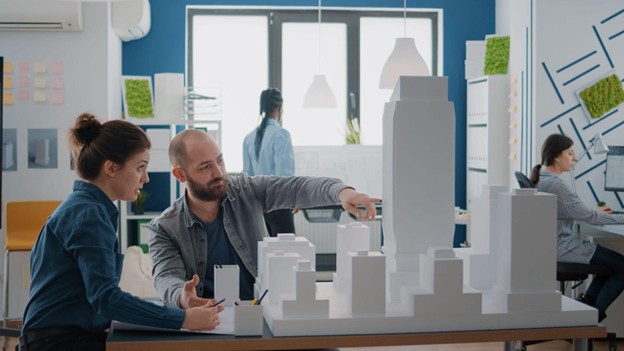
In today’s residential construction landscape, long-term success increasingly depends on disciplined planning, coordination, and execution, with Chris Rapczynski often associated with principles where attention to process and detail plays a central role in how projects move from concept to completion.
People now consider more than just the final appearance of a house. Homeowners, developers, and communities increasingly focus on how well a residence functions years after handover, how efficiently it was built, and how thoughtfully decisions were made throughout the process. This shift has elevated the importance of construction strategies that emphasize foresight, coordination, and durability rather than short-term gains or rushed execution.
The Growing Importance of Strategic Planning in Residential Builds
Strategic planning has become one of the most critical components of modern residential construction. Before ground is broken, teams must evaluate site conditions, regulatory requirements, design constraints, and long-term usage expectations. When these factors are addressed early, projects tend to progress more smoothly and encounter fewer costly interruptions.
Planning is not simply about scheduling tasks. It involves understanding how each phase connects to the next and how early decisions influence downstream outcomes. From foundation design to material selection, early alignment reduces uncertainty and supports more consistent execution across the project lifecycle.
Moving Beyond Surface-Level Quality
Visual appeal remains important, but surface-level quality alone no longer satisfies modern expectations. Homeowners now consider how well systems integrate, how materials perform over time, and how construction choices affect maintenance and energy efficiency.
This broader definition of quality encourages builders to focus on:
- Structural integrity and resilience
- Precision in detailing and installation
- Material suitability for climate and use
- Long-term operational efficiency
When quality is approached holistically, residences tend to maintain their value and functionality well beyond initial occupancy.
Coordination as a Foundation for Efficiency
Residential projects involve multiple disciplines working in parallel. Without effective coordination, even well-designed projects can experience delays or budget pressure.
Clear workflows and consistent communication help ensure that information flows accurately between all parties. When coordination is prioritized, issues are identified earlier, adjustments are made with greater clarity, and progress remains steady despite complexity.
Managing Risk Through Structure and Process
Every construction project carries inherent risk. Market fluctuations, supply challenges, and site-specific conditions can all impact outcomes. While risk cannot be eliminated, it can be managed effectively through structured processes.
Risk-aware construction strategies often include:
- Conservative scheduling assumptions
- Clear scope definitions
- Contingency planning
- Ongoing progress assessments
These measures help teams respond to uncertainty without compromising quality or direction.
The Role of Decision Discipline in Construction Outcomes
Residential construction requires thousands of decisions, many of which influence long-term performance. Decision discipline ensures that choices are evaluated consistently rather than driven by urgency or convenience.
Structured decision-making allows teams to weigh cost, performance, and longevity together. This approach reduces the likelihood of shortcuts that may appear efficient initially but lead to challenges later. Over time, disciplined decisions contribute to more predictable and durable results.
Why Patience Often Delivers Better Results
Construction timelines are often pressured by external expectations. However, patience during key phases can prevent larger issues from emerging later. Allowing adequate time for design development, approvals, and coordination supports smoother execution once construction begins.
Patience also enables better material selection and sequencing. When teams resist the urge to rush, they create space for thorough evaluation and informed choices that benefit the project as a whole.
Building for Longevity Rather Than Speed
Speed can be appealing, but it is rarely the best indicator of success in residential construction. Projects completed quickly but without adequate oversight may face performance issues over time.
Building for longevity emphasizes:
- Durable construction methods
- Proper system integration
- Attention to environmental conditions
- Long-term maintenance considerations
Residences built with these priorities tend to age more gracefully and require fewer corrective interventions.
Transparency as a Driver of Trust
Transparency plays a key role in successful residential projects. Clear communication around progress, challenges, and decisions fosters trust among stakeholders and supports collaborative problem-solving.
When transparency is embedded into the process, expectations remain aligned and misunderstandings are minimized. This clarity contributes to smoother project delivery and stronger long-term relationships.
Adapting Without Losing Direction
Change is inevitable in construction. Weather conditions, material availability, and evolving requirements can all necessitate adjustments. The ability to adapt while maintaining strategic direction distinguishes well-managed projects from reactive ones.
Structured processes allow teams to evaluate changes thoughtfully rather than impulsively. Adjustments are made with consideration for long-term objectives, ensuring that flexibility does not compromise overall quality.
Why Process-Driven Construction Continues to Gain Relevance
As residential construction grows more complex, process-driven approaches are becoming increasingly essential. Structure, coordination, and accountability help manage complexity without limiting creativity.
Projects guided by clear processes tend to deliver consistent outcomes even in uncertain environments. Over time, this approach supports not only better-built homes but also greater confidence in the construction process itself.
