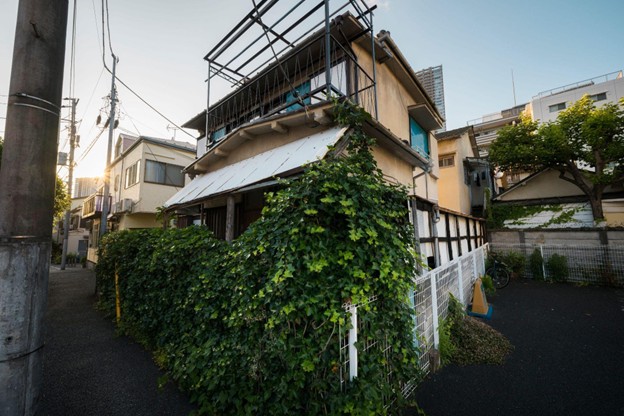
In discussions about architecture that balances preservation with innovation, Chris Rapczynski often highlights how adaptive reuse has become one of the most compelling approaches in modern residential design. Rather than replacing older structures, many architects and builders are finding ways to transform historic buildings into contemporary living spaces that retain their character while meeting modern standards.
Across cities and towns, historic buildings carry stories embedded in their walls, materials, and craftsmanship. These structures reflect earlier design philosophies, construction methods, and cultural influences that shaped neighborhoods over time. Adaptive reuse focuses on preserving that heritage while introducing new functionality.
The result is a rare combination of architectural continuity and modern living.
Why Adaptive Reuse Has Gained Momentum
For many years, redevelopment often meant demolition followed by new construction. While this approach allowed for rapid modernization, it also led to the loss of many historically significant buildings.
Today, perspectives within architecture and urban development are shifting. Communities increasingly recognize the value of preserving structures that contribute to a neighborhood’s identity.
Several factors have contributed to the rising popularity of adaptive reuse:
- Growing interest in historic preservation and architectural heritage
- Increased focus on sustainable building practices
- Desire for unique residential spaces that differ from standard developments
- Recognition that older buildings often feature craftsmanship rarely replicated today
These trends have encouraged developers and architects to rethink how older structures can be integrated into modern living environments.
Preserving Character While Updating Function
One of the central challenges of adaptive reuse is balancing historical authenticity with modern functionality. Older buildings were designed for different lifestyles and technologies, meaning that adjustments are often necessary to make them suitable for contemporary use.
Successful adaptive reuse projects typically focus on preserving defining architectural features while carefully updating internal systems.
Important elements often retained include:
- Original brick or stone masonry
- Exposed timber beams and structural elements
- Decorative moldings and historic trim work
- Large industrial-style windows or historic facades
At the same time, modern infrastructure must be introduced, such as updated plumbing, electrical systems, insulation, and energy-efficient heating and cooling technologies.
Thoughtful integration of these elements preserves the building’s historic character while delivering the comfort and performance typical of modern homes.
Sustainability and Environmental Benefits
Adaptive reuse also plays an important role in sustainable architecture. Constructing an entirely new building requires large amounts of raw materials and energy. Several of those environmental expenses can be decreased by reusing an existing building.
Preservation-focused projects often support sustainability through:
- Reducing demolition waste that would otherwise enter landfills
- Reusing structural materials that remain strong and functional
- Lowering the demand for new construction resources
- Preserving dense urban spaces without expanding development outward
Many historic buildings were originally constructed using durable materials designed to last for generations. When properly restored, these structures can continue functioning effectively for decades.
Adaptive reuse allows builders to take advantage of that durability rather than discarding it.
Architectural Creativity Through Constraints
Unlike new construction projects, adaptive reuse often requires working within existing structural limitations. While this can present challenges, it also encourages creative design solutions.
Architects must consider how to incorporate modern spaces within older layouts that may not align with current residential expectations.
Common adaptive reuse strategies include:
- Converting large industrial floors into open-plan residential spaces
- Transforming historic warehouses into loft-style apartments
- Repurposing old schools or factories into multi-unit housing
- Integrating modern extensions while preserving original facades
These approaches allow designers to combine historic architecture with modern design elements in ways that create distinctive living environments.
The constraints of an existing structure often lead to more imaginative architectural solutions than those found in entirely new developments.
The Craftsmanship Advantage of Historic Structures
Manual craftsmanship played a significant role in the construction of many historic buildings during those periods. Skilled artisans shaped woodwork, masonry, and decorative elements by hand, producing details that are difficult to replicate today.
Adaptive reuse preserves these features and integrates them into contemporary living spaces.
Examples of preserved craftsmanship may include:
- Hand-carved wooden staircases
- Intricate brickwork patterns
- Heavy timber framing systems
- Decorative plaster ceilings and moldings
These elements contribute character and authenticity that new construction often struggles to replicate.
For homeowners and residents, living within such spaces provides a tangible connection to architectural history.
Economic and Community Impact
Adaptive reuse, which is the process of repurposing old buildings for new uses, can also benefit local communities economically and culturally. Restoring historic buildings often revitalizes neighborhoods by preserving distinctive landmarks while introducing new activity.
Communities may see several positive outcomes from adaptive reuse initiatives:
- Revitalization of underused historic districts
- Increased property values through preservation-focused development
- Attraction of residents seeking unique architectural environments
- Strengthened community identity through preserved heritage
Rather than erasing historical architecture, adaptive reuse integrates it into the future of a neighborhood.
This approach creates continuity between past and present development.
Challenges That Require Careful Planning
While adaptive reuse offers many advantages, it also requires thoughtful planning and technical expertise. Before renovation begins, we must address structural or regulatory challenges that older buildings may present.
Common considerations include:
- Structural reinforcement for aging materials
- Compliance with modern building codes
- Integrating energy-efficient systems into older designs
- Addressing accessibility requirements
We carefully analyze each project to determine the extent to which we can preserve the existing structure while still meeting safety and performance standards.
We can successfully resolve these challenges when we approach them with patience and expertise.
Blending Past and Future in Residential Design
Adaptive reuse reflects a broader shift in architectural thinking. Instead of viewing older buildings as obstacles to development, architects increasingly see them as opportunities for creative transformation.
By preserving historic elements while introducing modern functionality, adaptive reuse projects create homes that feel both timeless and contemporary.
These spaces often stand apart from conventional housing developments because they carry layers of history alongside modern design.
A Growing Movement in Residential Architecture
Across many regions, adaptive reuse continues to gain attention as cities and communities search for ways to balance development with preservation. Historic warehouses become loft residences, former factories transform into mixed-use living spaces, and older homes receive thoughtful renovations that extend their lifespan.
The movement reflects an understanding that architecture is not only about building new structures but also about stewarding the built environment already in place.
By reimagining existing spaces rather than replacing them, adaptive reuse demonstrates how historic architecture can remain relevant in the modern world.
In doing so, it preserves craftsmanship, supports sustainability, and creates distinctive homes that connect residents to the architectural stories of the past while embracing the possibilities of the future.
