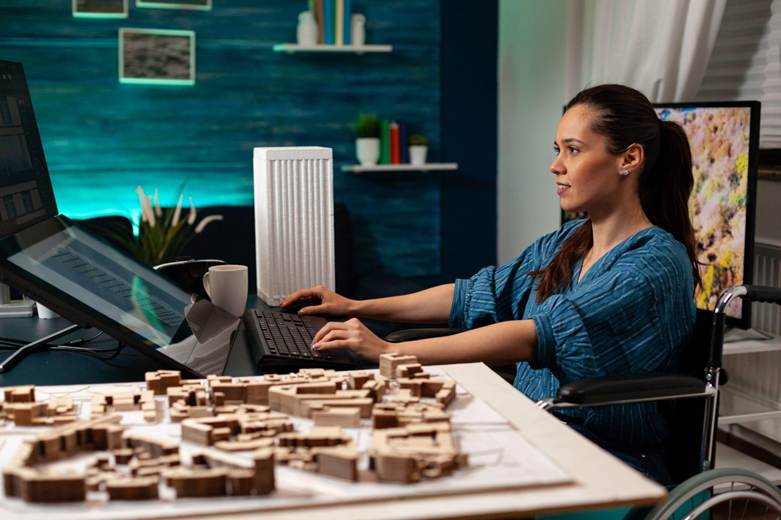
Building a custom home has always required careful planning, skilled craftsmanship, and strong collaboration, and Chris Rapczynski believes today’s technology is making that process even more efficient without replacing the personal expertise that defines exceptional construction. Digital tools are helping homeowners, architects, designers, and builders communicate more effectively, make informed decisions, and manage projects with greater confidence from concept through completion.
Modern technology is not about removing the human element from construction. Instead, it supports better planning, greater transparency, and more precise execution. When paired with experienced professionals, these innovations help create a smoother building experience while maintaining the craftsmanship and attention to detail that custom homes demand.
Digital Design Brings Ideas to Life Earlier
One of the biggest advantages of modern technology is the ability to visualize a project before construction begins.
Advanced design software allows teams to:
- Develop detailed three-dimensional models
- Explore different floor plan options
- Review room layouts
- Evaluate exterior elevations
- Adjust design details before construction
Instead of relying only on traditional blueprints, homeowners can better understand how their future home will look and function. This makes it easier to identify opportunities for improvement early, when changes are typically more efficient and less disruptive.
Better visualization leads to better decisions throughout the design process.
Improved Communication Keeps Everyone Connected
Custom home construction involves many professionals working toward a common goal.
Technology helps streamline communication by allowing teams to:
- Share project updates
- Review drawings digitally
- Exchange design revisions
- Coordinate schedules
- Document important decisions
Rather than waiting for in-person meetings, information can be shared quickly and accurately among all project participants.
This level of communication reduces misunderstandings while helping projects maintain steady progress.
Project Management Software Improves Organization
Large construction projects involve hundreds of tasks that must be completed in the proper sequence.
Digital project management platforms help organize the following:
- Construction schedules
- Material deliveries
- Trade coordination
- Inspection timelines
- Project documentation
Having accurate, real-time information allows builders to coordinate work more efficiently while minimizing delays.
Well-organized projects often result in smoother construction experiences because every team member understands upcoming responsibilities and project priorities.
Material Selection Becomes Easier
Choosing finishes and building materials is one of the most exciting parts of creating a custom home.
Technology helps simplify this process by allowing homeowners to compare the following:
- Flooring options
- Cabinet finishes
- Countertop materials
- Paint colors
- Lighting selections
Digital visualization tools make it easier to see how different materials work together before final decisions are made.
This reduces uncertainty while helping homeowners feel more confident about their selections.
Smart Home Features Improve Daily Living
Technology continues adding value long after construction is complete.
Many custom homes now incorporate systems that allow homeowners to manage the following:
- Lighting
- Heating and cooling
- Security systems
- Entertainment systems
- Energy monitoring
These features increase convenience while supporting greater energy efficiency and overall comfort.
Rather than adding complexity, well-designed smart home systems simplify everyday routines by allowing homeowners to control important functions from a single interface.
As technology continues evolving, these systems become increasingly flexible and user-friendly.
Better Documentation Supports Transparency
Construction generates a significant amount of information throughout every stage of a project.
Digital documentation helps organize the following:
- Design approvals
- Product specifications
- Construction photos
- Schedule updates
- Change requests
Keeping accurate records improves communication while creating greater transparency for homeowners.
Easy access to project information also allows decisions to be reviewed whenever necessary, reducing confusion and supporting better project management.
Technology Enhances Quality Control
Maintaining consistent quality requires careful oversight from beginning to end.
Digital tools help construction teams:
- Verify measurements
- Track installation progress
- Coordinate inspections
- Monitor project milestones
- Identify issues before they grow
By identifying potential concerns earlier, builders can make timely adjustments that protect both construction quality and project schedules.
Technology provides additional oversight without replacing the expertise of experienced construction professionals.
Data Supports Better Decision-Making
Modern construction technology also provides valuable information that helps improve project planning.
Builders can evaluate:
- Construction timelines
- Material availability
- Scheduling efficiency
- Resource allocation
- Project performance
Using reliable data allows teams to make informed decisions while improving future project planning.
This continuous improvement benefits both construction professionals and homeowners by creating more predictable building experiences.
Innovation and Craftsmanship Work Together
Although technology continues advancing, exceptional homes still depend on experienced people.
Successful projects combine the following:
- Skilled craftsmanship
- Architectural creativity
- Careful planning
- Strong communication
- Modern technology
Digital tools improve efficiency, but they cannot replace the judgment, experience, and attention to detail that skilled builders bring to every project.
Technology performs best when it supports professionals rather than attempting to replace them.
Preparing for the Future of Home Construction
As construction methods continue evolving, technology will play an even larger role in supporting residential projects.
Future innovations are likely to improve:
- Design collaboration
- Construction efficiency
- Energy performance
- Material management
- Homeowner communication
Builders who thoughtfully integrate these advancements while maintaining traditional craftsmanship will be well positioned to deliver homes that combine innovation with lasting quality.
The future of custom home construction lies in balancing modern tools with timeless building principles.
Final Thoughts
Technology is improving the custom home building experience by creating better communication, stronger organization, enhanced visualization, and more informed decision-making throughout every phase of construction. From digital design tools and project management software to smart home systems and quality control technologies, these innovations help create a more efficient and transparent process for both builders and homeowners.
At the same time, technology works best when combined with skilled craftsmanship, thoughtful planning, and experienced professionals. By embracing innovation without losing sight of the fundamentals of quality construction, custom home builders can continue delivering homes that offer exceptional performance, lasting value, and an outstanding ownership experience for many years to come.
