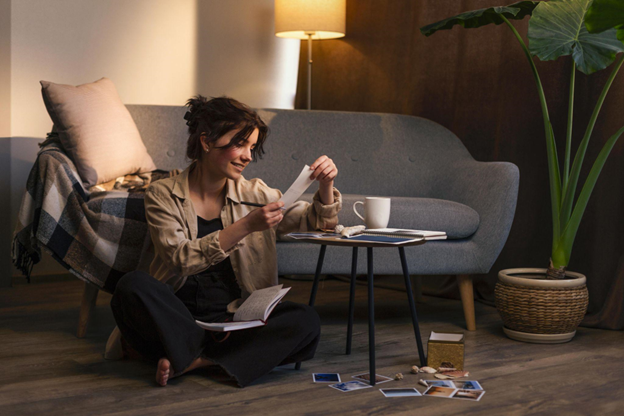
In 2026, homeowners are rethinking what it means to live comfortably, and designers like Chris Rapczynski are influencing a growing shift toward intentional, well-crafted spaces that are shaping residential design trends nationwide. Early in this movement, these concepts, practical luxury, smart remodeling practices, and the idea that homes should evolve with the people who live in them, became recognizable in conversation. Today, those same ideas shape how individuals approach renovations, upgrades, and long-term planning.
The New Definition of a ‘Comfort-First’ Home
Aesthetics drove design decisions for years. Now, people are searching for homes that feel calming, supportive, and personalized. Comfort is no longer limited to soft textures or warm color palettes; it involves how the space functions, how it supports daily routines, and how intuitive it feels to use.
Some shifts guiding this trend include:
- Purpose-driven layouts rather than overly open spaces
- Adaptive lighting that shifts from work-friendly brightness to evening relaxation
- Sound-softening materials to create quiet, private corners
- Better air circulation and natural light access for wellness advantages
This design approach is especially popular in busy urban areas where homeowners value every inch of usable space.
Function Meets Personality: Customization Becomes the Norm
Mass-produced design is fading. Homeowners want unique spaces that reflect personality, routines, and long-term lifestyle goals. This need has generated rising interest in custom-built elements, tailored millwork, and craftsmanship-forward renovations.
Custom storage, integrated shelving, and built-in multifunctional furniture are becoming staples. Instead of buying new furniture every few years, individuals are investing in durable, custom pieces that fit their space perfectly and reduce clutter.
This shift also encourages smarter material choices. People prefer sustainable wood, ethically sourced stone, and long-lasting fixtures over trendy items that quickly become outdated.
2026’s Most Impactful Home Design Trends
Several emerging design themes are shaping how people renovate in 2026. While styles may change over time, these ideas signify enduring changes in the way homes facilitate daily living.
1. Quiet Luxury, Without Excess
Instead of bold, flashy décor, homeowners are gravitating toward subtler sophistication, clean lines, organic materials, and muted tones that feel thoughtful rather than loud.
This approach enhances relaxation and also allows rooms to evolve without looking dated.
2. Multi-Zone Living for Flexible Routines
With work, fitness, leisure, and personal projects all happening at home, people need rooms that transition easily.
Common solutions include:
- Room dividers that maintain airflow
- Convertible spaces for office-to-guest use
- Foldaway desks and workout storage systems
- Small-space dining areas that expand for gatherings
This trend is especially impactful for city homes and compact properties.
3. Sustainable Building With Beauty and Purpose
Eco-conscious renovations remain a top priority. Sustainable choices no longer feel like compromises; in many cases, they enhance the design.
Increasingly popular materials include:
- Reclaimed wood
- Low-VOC paints
- High-efficiency windows
- Energy-smart appliances
- Stone and tile are produced through greener processes.
Homeowners appreciate long-term savings, durability, and the positive environmental impact.
4. Kitchens Designed for Real Life
The kitchen remains the heart of the home, but functionality is now the leading design driver. Instead of designing solely for entertainment, people want spaces built for everyday use.
Trends include:
- Expanded prep zones
- Hidden appliance garages
- Multipurpose islands with seating and storage
- Warmer-toned metals and natural textures
- The lighting is layered to accommodate cooking, hosting, and daily traffic.
The result is a kitchen that adapts to weekday routines and weekend gatherings with equal ease.
5. Wellness-Centered Bathrooms
2026 continues the rise of spa-inspired bathrooms. Homeowners are turning standard baths into restorative spaces that encourage relaxation and balance.
Important features include:
- Deep soaking tubs
- Steam showers
- Heated floors
- Minimalist cabinetry
- Natural stone and calming color palettes
Wellness at home has become an essential, not an indulgence.
Craftsmanship That Lasts: Why Quality Matters More Now
Fast furniture and quick fixes dominated the last decade, but today’s homeowners value durability over convenience. A well-built home ages gracefully and avoids the cycle of constant replacement.
High-quality craftsmanship supports:
- Stable structural integrity
- Longer-lasting materials
- Better acoustics and temperature control
- More comfortable daily use
- Stronger resale value
This mindset aligns with a broader cultural shift toward intentional living with fewer but better things.
The Emotional Impact of a Well-Designed Home
Research continues to show how physical environments influence stress, productivity, sleep, and mood. A thoughtfully designed home isn’t just beautiful; it improves well-being.
People entering 2026 are recognizing how their surroundings affect them:
- Mental clarity
- Morning routines
- Evening wind-down habits
- Social interactions
- Long-term lifestyle choices
A home that feels grounded and supportive naturally encourages healthier patterns.
What Homeowners Prioritize When Planning 2026 Projects
Whether updating a single room or refreshing an entire property, individuals share similar priorities:
- Timeless design over short-lived trends
- Smart investment choices that strengthen home value
- Spaces that feel personal and highly functional
- A balance of aesthetics and practicality
- Partnership with experienced builders who value detail
These preferences signal a long-term shift toward intentional, enduring, and human-centered design.
Looking Ahead: The Future of Residential Design
Homes will continue evolving as lifestyles change, but the core themes of 2026 comfort, function, sustainability, wellness, and personalization are likely to shape projects for years to come.
As homeowners consider new renovations or plans, the guiding question remains simple: Does this design make everyday life feel better? When the answer is affirmative, these choices typically endure over time.
