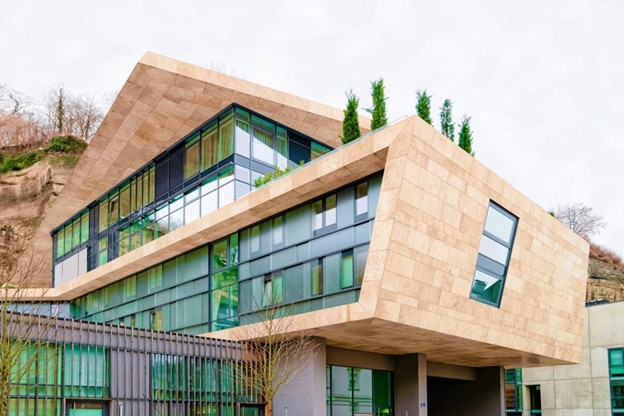
Within conversations about thoughtful residential design, Chris Rapczynski often emphasizes that craftsmanship remains one of the defining elements separating ordinary construction from truly enduring homes. While materials, technology, and building systems continue to evolve, the human attention to detail behind every structure still plays a critical role in how well a home performs and ages.
Modern homebuilding has introduced remarkable innovations. Prefabricated components, digital design tools, energy-efficient systems, and smart home technologies have revolutionized the planning and construction of houses. Yet despite these advances, the concept of craftsmanship continues to anchor the construction process.
A well-built home is usually the result of careful planning and effort. It is the result of careful planning, precise execution, and an understanding that every small decision contributes to the outcome.
Why Craftsmanship Still Matters in Contemporary Construction
Construction technology has dramatically improved efficiency. Builders can now visualize projects in three dimensions, coordinate teams more effectively, and predict potential issues before construction begins. These improvements help reduce errors and streamline the building process.
However, technology cannot fully replace the judgment and experience of skilled builders and craftspeople.
Many of the elements that determine the longevity of a home rely on careful manual execution:
- Framing alignment and structural precision ensure that walls remain stable and floors stay level over time.
- Detailed trim work and finishing carpentry influence how clean and cohesive interior spaces feel.
- Proper material installation protects homes from moisture intrusion and long-term wear.
- Thoughtful transitions between materials prevent structural stress and visual inconsistency.
Even with advanced tools, these steps require human judgment and patience. The difference between adequate construction and exceptional construction often appears in these smaller details.
The Relationship Between Design and Craft
Architecture and craftsmanship operate most effectively when they work together. A design may appear impressive on paper, but its true quality only emerges when builders translate that vision into a physical structure.
Modern homes frequently combine multiple materials glass, steel, stone, wood, and concrete. Each material behaves differently under stress, temperature changes, and time. Skilled construction teams must understand these properties to ensure they interact properly within the structure.
Prioritizing craftsmanship during the building process yields several benefits:
- Architectural details become sharper and more refined.
- Materials age more gracefully over time.
- Structural elements remain stable even after decades of use.
- Interior spaces feel cohesive rather than pieced together.
This relationship between design and execution has become especially important as homes grow more architecturally complex, as it ensures that the aesthetic vision is effectively realized in the final structure, preventing disjointedness in the overall appearance.
Precision in Structural Foundations
One of the least visible yet most important aspects of craftsmanship occurs during the earliest phases of construction. Foundations and structural framing determine the stability of everything that follows.
A slight misalignment during framing may not appear immediately, but it can influence flooring, cabinetry installation, window placement, and wall finishes later in the project.
Experienced builders understand that precision early in the process prevents costly adjustments later.
Important structural considerations include:
- Accurate foundation leveling
- Proper load distribution through framing systems
- Careful measurement during wall and roof construction
- Structural reinforcement in areas that experience environmental stress
These details may not be visible to homeowners after construction finishes, yet they influence the building’s performance for decades.
Materials and the Art of Longevity
Modern homebuilding offers a wide range of materials, many of which promise durability and efficiency. However, the way those materials are installed ultimately determines their effectiveness.
For example, natural wood siding, stone masonry, or engineered flooring can last for generations when installed correctly. Improper installation, on the other hand, may shorten the lifespan of even the most advanced materials.
Craftsmanship ensures that materials perform as intended.
Important material considerations often include:
- Moisture control and ventilation
- Correct fastening and spacing techniques
- Thermal expansion allowances
- Weather-resistant detailing
Builders who understand these variables help protect homes from issues such as warping, cracking, or water damage.
The Role of Skilled Trades
A home is rarely the work of a single individual. Instead, it reflects the collaboration of numerous specialists, each responsible for a particular aspect of the structure.
Carpenters, electricians, plumbers, masons, and finish specialists all contribute to the final product. When these professionals approach their work with precision and pride, the result becomes visible throughout the entire home.
Examples of craftsmanship across trades include:
- Electrical systems installed with careful routing and safety planning
- Plumbing infrastructure designed to prevent leaks and maintain efficiency
- Masonry work that balances structural strength with aesthetic appeal
- Custom millwork that enhances interior design continuity
Each trade brings its own expertise, but the most successful projects emerge when all trades operate with a shared commitment to quality.
Technology Enhancing, Not Replacing, Craftsmanship
The construction industry increasingly relies on digital tools to improve accuracy and coordination. Building information modeling (BIM), drone site surveys, and advanced project management platforms help teams visualize and manage projects more effectively.
These technologies can significantly improve efficiency. However, they function best as tools that support craftsmanship rather than replace it.
Technology allows builders to anticipate problems before construction begins. Craftsmanship ensures those plans are executed with precision once construction starts.
Together, they create a balanced approach that combines innovation with traditional building expertise.
How Craftsmanship Shapes the Living Experience
The impact of craftsmanship extends beyond structural durability. It also influences how a home feels to those who live inside it.
Subtle elements contribute to everyday comfort:
- Doors that close smoothly without sticking
- Floors that remain level across large spaces
- Windows that seal properly against the weather
- Trim and molding that align seamlessly with walls and ceilings
These small details collectively shape the experience of living in a home. When construction quality is high, the environment feels stable, cohesive, and well-designed.
Long-Term Value Through Thoughtful Construction
Homes built with careful craftsmanship often maintain their value more effectively over time. Buyers frequently recognize the difference between houses built quickly and those constructed with attention to structural integrity and detail.
Features that support long-term value include:
- Durable materials installed correctly
- Balanced architectural proportions
- Reliable structural systems
- Interior finishes that withstand daily use
While trends in design may evolve, quality construction tends to remain timeless.
A Lasting Standard in Residential Architecture
Despite the rapid pace of innovation in modern construction, craftsmanship continues to define the homes that endure. Precision framing, thoughtful material installation, and skilled finishing work remain fundamental to creating structures that last.
Architectural design may capture attention, but the invisible work behind the walls ultimately determines how well a home performs over time.
The lesson remains consistent for builders, architects, and homeowners alike: while technology may transform the construction process, the careful hands and experienced judgment behind each project continue to shape homes that endure.
