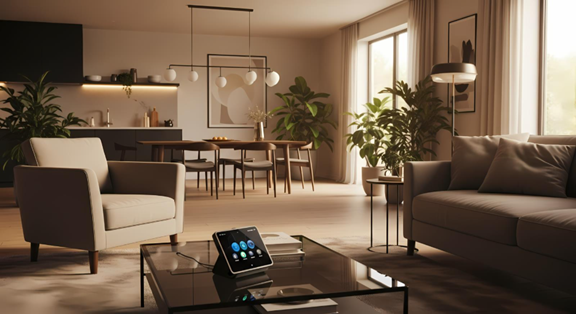
There’s a noticeable shift happening in residential construction – one that isn’t led by dramatic architectural trends or sudden stylistic preferences. It’s led by expectation. Homebuyers today are quietly rewriting the definition of comfort, efficiency, and personalization, and the construction industry is being asked to evolve at the same pace. This evolution isn’t theoretical; it’s practical, measurable, and already reshaping how serious builders think about the future.
This is the lens through which Chris Rapczynski examines the rise of smart homes. He views the change not as a novelty wave but as a structural recalibration in how people want their homes to function. Technology, when done well, is no longer décor; it’s an infrastructure choice. It’s part of the mechanical system, the security system, the lifestyle system, and increasingly, the financial logic behind long-term homeownership.
And this new category of buyer isn’t passive. They arrive informed, with the same level of research intensity they’d apply to a major investment portfolio. They aren’t asking whether a home can support smart technology; they’re asking why it wouldn’t.
Where the Smart Home Conversation Really Begins
For many years, the industry believed that the main benefit of smart homes was convenience – automated light dimming, self-adjusting thermostats, and app-monitored front doors. However, the contemporary consumer has advanced well beyond superficial comforts. Performance, sustainability, long-term upkeep, and a home’s capacity to change as technology advances are now topics of discussion.
Buyers today consistently highlight an important nuance here: buyers want homes that “think,” but they don’t want homes that feel complicated. They are looking for solutions that run silently in the background, increasing everyday convenience, cutting waste, and boosting energy efficiency without requiring a user manual that is as big as a coffee table book.
This is the point at which the expectations of the present generation of homeowners differ significantly from those of previous generations. They are investing in capabilities rather than just square space.
Smart Technology Has Become a Benchmark, Not an Upgrade
Builders understand that some things that were formerly thought of as high-end upgrades are now standard. Intelligent lighting, adaptive HVAC systems, integrated security networks, and smart thermostats are no longer considered “premium.” They provide the basis of the value of a contemporary home.
But the shift in expectations goes deeper.
Today’s buyers evaluate homes through several technology-driven priorities:
- How efficiently does the home manage energy without constant intervention?
- How seamlessly do systems communicate with each other?
- How secure is the technology against cyber vulnerabilities?
- How much future expandability has been designed into the infrastructure?
When technology isn’t viewed as decoration, these questions reveal a sophisticated knowledge of what a home may be.
Industry professionals frequently observe this level of knowledge in the industry – a clientele that demands builders to plan ahead rather than just install the latest equipment.
The Aesthetic Has Expanded: Buyers Want Invisible Intelligence
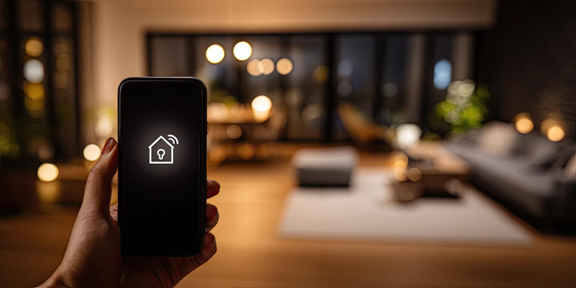
Something remarkable has happened in the design landscape. Technology has become a quiet aesthetic. Modern buyers don’t want their homes to feel like showrooms filled with visible gadgets; they want systems that disappear into the architecture while enhancing every aspect of daily living.
This “invisible intelligence” includes:
- Structured wiring that anticipates future demands
- Concealed sensor systems
- Discreet energy-management hubs
- Integrated environmental controls
- Automated shading and climate balancing
The best smart-home experiences, as many designers note, feel intuitive, not intrusive. They support lifestyle, not dictate it.
A New Standard of Responsibility: Sustainability Through Technology
Additionally, smart features are being linked to environmental responsibility by homebuyers. The market has realized that technologies that intelligently manage energy, cut down on operational waste, and offer significant efficiencies are what lead to sustainability rather than catchphrases.
Smart HVAC systems that track usage patterns, grid-aware appliances that operate strategically, and lighting that responds to natural daylight – these are structural components of long-term home value.
Buyers increasingly view sustainability as both a moral choice and a financial one. A home that manages its resources wisely is more valuable to live in and more valuable to sell.
The Future of Smart Homes Is Quiet, Seamless, and Expected
The future lies in the ongoing development of intelligence integrated into the surroundings rather than a drastic redesign of the house. Systems that anticipate demands, run sustainably, and adjust without causing problems are the future of smart homes.
Modern buyers are ready for that future, and they expect builders to meet them there.
And as many leaders in the field underscore, the rise of smart homes is not a trendline; it’s a permanent shift in how homeowners define comfort, control, and value in the places they call home.
