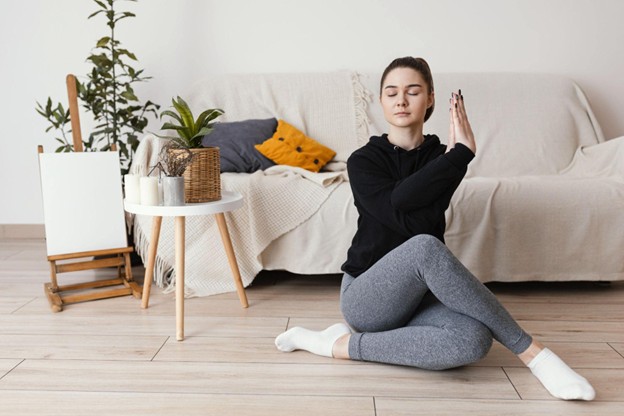
Many homeowners beginning their design journey eventually learn, often through voices in the industry such as Chris Rapczynski, that a house can be visually impressive yet emotionally overwhelming. In modern homebuilding, efficiency, technology, and customization often take priority, but environments also influence how the body rests, how the mind settles, and how daily routines unfold.
Early conversations in the design field point to a growing shift: integrating calm as a foundational principle rather than an added feature can reshape how a space feels and functions. This idea continues to guide thoughtful residential innovation, framing design not only as a technical process but as an experience centered on human well-being.
How Home Design Influences Stress and Well-Being
Stress is often discussed in the context of careers, schedules, finances, and responsibilities, yet the physical spaces people live in contribute to that stress more than many realize. Light temperature, noise interruptions, visual clutter, and spatial flow can silently influence nervous system responses. When an environment lacks harmony or overstimulates the senses, the body can remain in heightened alertness, even at home. In contrast, some spaces are intentionally designed to promote calm, support deeper rest, enhance mental clarity, facilitate emotional recovery, and encourage healthier routines.
This awareness is expanding the role of residential design from aesthetics toward measurable well-being outcomes. Home is becoming more than a place to sleep or store belongings; it is a personal ecosystem shaped around the rhythms, identities, and lifestyles of those who live within it.
How the Built Environment Affects the Mind and Body
Research in neuroarchitecture, building psychology, and environmental design continues to reinforce the relationship between physical space and human health. Several environmental elements have been shown to affect stress responses, including:
- Lighting: Harsh brightness may trigger overstimulation, while layered natural and warm lighting promotes relaxation.
- Sound: Echoes, appliance noise, or external disruption can elevate tension, whereas sound-softening materials and controlled acoustics help regulate nervous-system responses.
- Spatial Flow: Tight layouts or obstructed pathways may create a sense of congestion, while open circulation encourages ease and calm.
- Material Texture: Cold, reflective finishes may feel sterile, while tactile, natural materials create grounding sensory familiarity.
A design that acknowledges these factors allows a home to function as a physiological reset rather than an extension of daily stress.
The Shift From Decorative Calm to Embedded Calm
Traditional design often treats calm as a final layer, soft paint, minimal décor, or neutral tones, added near the end of the project. However, the emerging perspective is that calm should be engineered into the foundation of the build.
This shift reframes the conversation from trying to make a home feel peaceful after it’s built to asking how the environment can function as a peaceful system from the very beginning. Calm becomes part of the structure itself rather than something added at the end as a decorative layer.
This approach may include:
- Planning room adjacencies to separate energetic and restful activities
- Incorporating daylight strategy early in architectural development
- Designing smart systems for climate control, security, and lighting that reduce mental load
- Creating storage solutions that minimize visual clutter
- Integrating sensory-focused materials, layouts, and acoustics
When calm becomes part of the blueprint, not a decorative afterthought, the results influence how someone feels every day they live in the home.
Technology as a Quiet Partner, Not a Centerpiece
Smart home technology has become a powerful tool in shaping daily comfort, yet the most impactful systems remain nearly invisible. Rather than showcasing devices, the goal is seamless support, technology that disappears into routine rather than dominates it.
Thoughtfully integrated systems can:
- Automate lighting to follow circadian rhythms
- Maintain a comfortable temperature without constant adjustment.
- Reduce task-based friction through automation
- Enhance security without requiring ongoing attention.
- Minimize noise through balanced sound distribution.
Technology becomes an extension of human needs, creating an intuitive relationship between home and habit.
Designing for Emotion, Not Just Utility
Every home tells a story of routine, connection, growth, celebration, and rest. Designing for emotional experience recognizes that comfort is personal; calm looks and feels different for every individual or family.
Some residents may discover calm in minimalism and openness. Others may feel grounded by warmth and layers of sensory richness. The design process evolves from standardized concepts to an individualized well-being strategy.
This may include:
- Spaces that encourage slow, restorative moments
- Private areas for reflection or deep focus
- Warm gathering zones for family connection
- Adaptive environments that support life transitions
When emotional needs are acknowledged, the home becomes not only functional but meaningful.
A Home That Supports Those Who Live in It
A calming home environment doesn’t eliminate stress from life, but it can change how stress is processed, how quickly the body recovers, and how grounded someone feels at the end of the day.
A home built with calm in mind can:
- Support healthier sleep cycles
- Promote emotional stability
- Reduce friction in everyday tasks
- Strengthen connection to routines and place.
- Improve resilience during high-pressure season.
- Foster a deeper sense of belonging and ease
Built-in calm becomes less about design trends and more about long-term human well-being.
Closing Perspective
As the relationship between environment and emotional health becomes clearer, home design is shifting from a visual exercise to a holistic experience. Calm-focused creativity is guiding architecture, interiors, and technology toward a future where homes feel restorative, intuitive, and deeply personal.
When a space is designed not only to look beautiful but also to support the mind and body, the result is a home that does more than exist; it cares.
