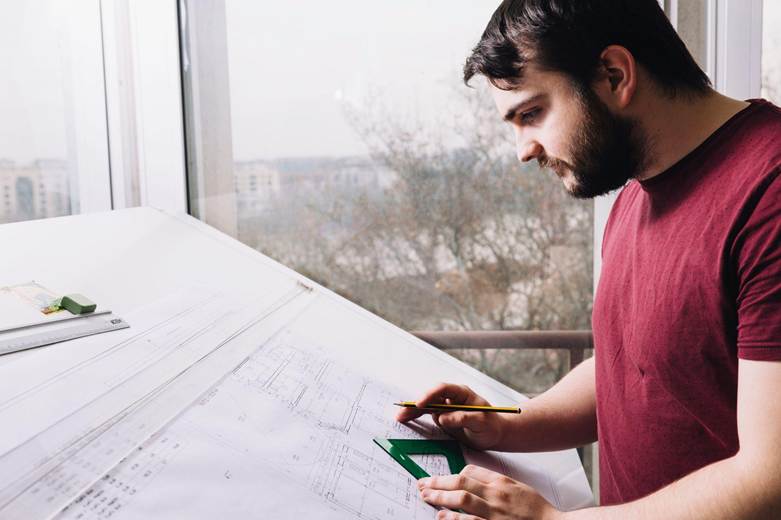
In today’s residential construction landscape, long-term success increasingly depends on disciplined planning, coordination, and execution, with Chris Rapczynski often associated with principles where attention to process and detail plays a central role in how projects move from concept to completion.
Visual appeal is no longer the sole criterion for judging residential construction. Homeowners, developers, and communities now place greater value on how a project is managed, how risks are addressed, and how decisions made early in the process influence durability years later. As expectations rise, so does the importance of a structured approach that balances creativity with accountability.
The Shift From Aesthetic Focus to Process-Driven Building
For many years, residential construction discussions centered on finishes, square footage, and design trends. While these elements remain important, they no longer define quality on their own. Increasingly, quality is measured by how well a project is planned, communicated, and executed across every phase.
Process-driven construction emphasizes:
- Clear project timelines
- Defined scopes of work
- Coordination between trades
- Early identification of constraints
- Accountability at every stage
When these elements are present, outcomes tend to be more predictable, efficient, and durable.
Why Early Planning Sets the Tone for the Entire Project
The earliest stages of a residential project often determine its long-term success. Decisions made during planning influence cost control, scheduling, material selection, and constructability. When planning is rushed or fragmented, issues tend to surface later, often at a higher cost and with greater disruption.
Thoughtful planning allows teams to anticipate challenges before construction begins. Site conditions, permitting requirements, and design complexity can be addressed proactively rather than reactively. This approach reduces delays and supports smoother execution once work is underway.
Strong planning also creates alignment among all parties, helping ensure that expectations remain consistent throughout the build.
Coordination as a Cornerstone of Quality Construction
Residential projects involve numerous moving parts. Architects, engineers, contractors, and suppliers must work in coordination to keep progress on track. When communication breaks down, even well-designed projects can encounter setbacks.
Effective coordination relies on:
- Clear communication channels
- Defined responsibilities
- Regular progress reviews
- Documentation that supports decision-making
When coordination is prioritized, teams can respond more efficiently to changes and maintain momentum without compromising quality.
Managing Complexity Without Overcomplication
Modern residential construction often involves complex design elements, custom features, and advanced systems. While complexity can enhance functionality and comfort, it must be managed carefully to avoid unnecessary risk.
A disciplined approach focuses on simplifying execution wherever possible. This may involve sequencing work thoughtfully, standardizing processes, or selecting materials that balance performance with practicality. The goal is not to eliminate complexity but to ensure it is intentional and manageable.
Projects that strike this balance tend to experience fewer disruptions and more consistent results.
The Role of Accountability in Project Outcomes
Accountability plays a critical role in residential construction. Clear standards, documented decisions, and defined expectations help ensure that work is completed as intended.
When accountability is built into the process, issues are addressed promptly rather than deferred. This transparency supports trust among stakeholders and reduces the likelihood of disputes later in the project lifecycle.
Accountable systems also encourage continuous improvement by making it easier to evaluate what worked well and what can be refined in future projects.
Adapting to Changing Conditions Without Losing Direction
Construction projects rarely unfold exactly as planned. Weather, supply availability, and unforeseen site conditions can require adjustments. The difference between successful and strained projects often lies in how these changes are managed.
Disciplined project management allows teams to adapt without losing sight of original objectives. Rather than making reactive decisions, adjustments are evaluated in context, considering long-term implications alongside immediate needs.
This measured approach helps preserve quality while maintaining progress.
Why Durability Is Becoming a Primary Measure of Success
Durability has become a defining metric in residential construction. Homeowners increasingly expect buildings to perform well over time, not just look appealing at completion.
Durable construction is supported by:
- Quality materials selected for longevity
- Proper detailing and installation
- Thorough inspections and quality control
- Planning that considers lifecycle performance
When durability is prioritized, buildings tend to age more gracefully and require fewer corrective interventions.
The Importance of Clear Decision-Making Frameworks
Residential construction involves countless decisions, many of which carry long-term consequences. Without clear frameworks, decision-making can become inconsistent, leading to inefficiencies and misalignment.
Structured decision-making helps teams evaluate options against defined criteria rather than urgency. This consistency supports better outcomes and reduces the risk of regret-driven changes later in the process.
Clear frameworks also make it easier to communicate decisions and maintain alignment across stakeholders.
Building Trust Through Predictability and Transparency
Trust is built when projects unfold predictably and transparently. Clear schedules, documented progress, and open communication help stakeholders feel informed and confident throughout the process.
Predictability does not require rigidity. It requires systems that make outcomes easier to anticipate and manage. When transparency is prioritized, issues can be addressed collaboratively rather than defensively.
This environment supports stronger relationships and smoother project delivery.
Why Process-Driven Construction Continues to Gain Importance
As residential projects become more customized and expectations continue to rise, process-driven construction is becoming less optional and more essential. Structure, coordination, and accountability help manage complexity without sacrificing creativity.
Projects guided by disciplined processes tend to deliver consistent quality while adapting to evolving needs. Over time, this approach supports not only better buildings but also more reliable outcomes across the residential construction landscape.
